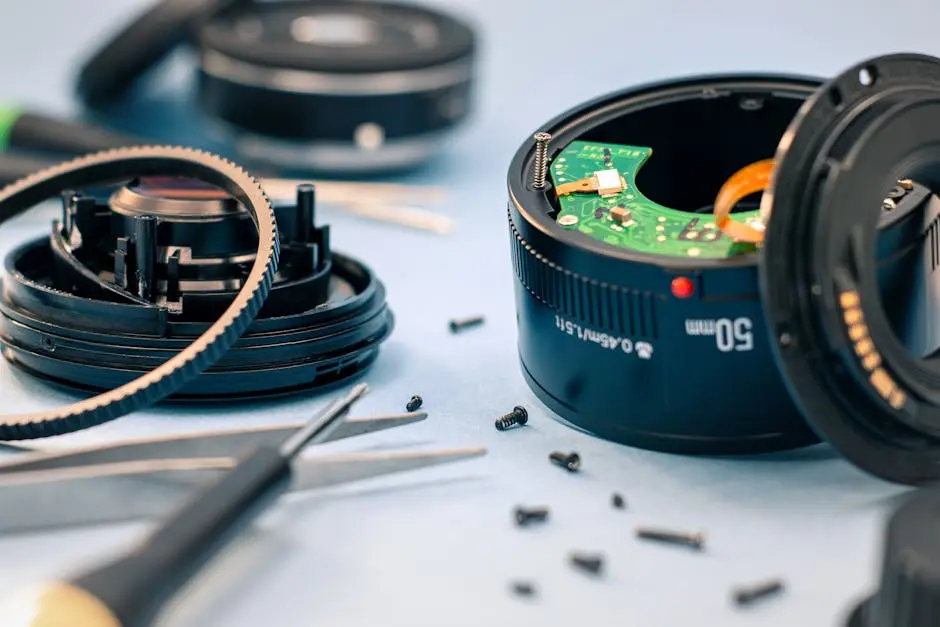
Cameras are essential tools for capturing life’s precious moments, but they can also run into issues from time to time. Whether you’re a professional photographer or a hobbyist, it’s crucial to recognize the signs that indicate your camera may need professional repair. Here are ten warning signs that you should never ignore.
1. Unusual Noises During Operation
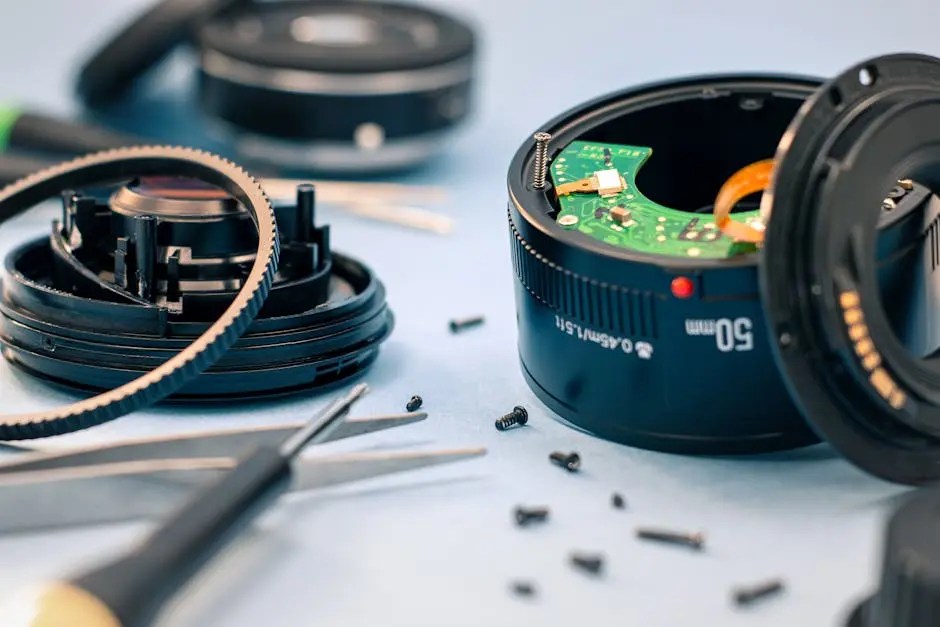
If your camera starts making strange noises when you turn it on or take pictures, it could be a serious issue. Listen carefully, as odd sounds may indicate internal problems. Perhaps you hear grinding, scratching, or a whirring noise that seems out of place. These indicators shouldn’t be ignored. In fact, unusual sounds are often the first tangible sign that something may have gone awry within the delicate mechanisms of your camera.
Ignoring these noises could lead to further damage. For example, a simple issue may escalate if left unattended, potentially causing irreparable harm. Therefore, if your camera starts to behave strangely, take it seriously. A professional evaluation can help catch problems early, saving you from expensive replacement costs down the line.
2. Lens Issues With Focusing
Struggling to focus or seeing blurred images can signal that your lens is malfunctioning. It’s essential to get it checked to ensure precise focusing. If you find that your images consistently lack clarity, it may be time for a closer inspection. Furthermore, you might notice that your autofocus takes longer than usual or fails entirely, leaving you frustrated as a photographer.
The right lens can make or break a shot, and if it’s not functioning correctly, you could be missing out on capturing those perfect moments. Additionally, if you experience difficulty with manual focus, such as a stiff ring, this could indicate a mechanical issue. In either scenario, seeking professional camera repair can restore functionality and keep your lens in top shape.
3. Error Messages on the Screen
Frequent error messages can be a sign of a deeper issue. If these messages persist, it’s time to consult a professional. Seeing a long string of cryptic notifications can be overwhelming and extremely inconvenient, especially if you’re in the midst of a shoot. Error codes might vary by model, but they typically point to problems that could impact your camera’s performance.
While some errors can be resolved through software updates or resets, continuous issues are a clear cry for help. Don’t hesitate; reach out to a technician who can diagnose the problem. By doing so, you not only solve the immediate issue but also secure the longevity of your camera investment.
4. Battery Not Holding Charge
If your battery drains quickly or struggles to hold a charge, this could indicate a fault in the camera’s circuitry. A replacement battery may not always fix the problem. It can be frustrating when you’re out in the field, and your camera suddenly loses power unexpectedly. A healthy battery is vital for a functioning camera, and any signs of erratic behavior should be addressed immediately.
In some cases, issues like a faulty battery compartment or connection errors can also be the culprit. Continued use of a malfunctioning battery could lead to larger electrical failures, making it essential to act swiftly by getting a professional diagnosis. Keeping spare batteries on hand is a good idea, but resolving underlying issues will give you peace of mind when you’re capturing those unforgettable moments.
5. Visible Damage or Cracks
Physical damage, such as cracks in the lens or body, can affect performance. Even minor damage should be addressed promptly to avoid further complications. You might think that a few scratches here and there on the body of your camera are harmless, but they can often lead to bigger problems. If light starts entering through a crack, it could distort your images or even damage internal components.
Every part of your camera is vital for its overall functionality, and sometimes what seems like a small issue can snowball into a massive headache. Regular inspections can help you catch these imperfections early on; if in doubt, don’t hesitate to bring your gear in for a check-up. Taking care of your equipment will ensure a long and productive relationship with your camera.
6. Persistent Overexposed or Underexposed Images
If your photos are consistently overexposed or underexposed regardless of settings, this could indicate sensor issues that require professional evaluation. Usually, you can adjust your camera settings to fix exposure problems, but if manual adjustments fail to yield desirable results, there may be something wrong with the sensor itself.
Beyond just sensor faults, this issue can also disrupt post-processing efforts when you’re editing images. It’s crucial to address these inconsistencies as they can be indicators of serious internal failures. Remember, your camera is an investment, and ensuring that it captures images accurately is critical for your work.
7. Viewfinder Issues
If you notice issues with the viewfinder, such as flickering or a blank screen, it may be a sign of electrical issues that need expert repair. The viewfinder is your primary tool for composing shots, and any malfunction here can significantly hinder your shooting experience. You may find yourself adjusting settings repeatedly, attempting to rectify the issue, only to come up short.
An unreliable viewfinder can turn a straightforward shooting session into a stressful ordeal. Thus, it’s wise not to wait, as minor electrical hiccups can lead to larger short-circuiting troubles over time. If the viewfinder appears faulty, it’s best to consult a professional to avoid frustrating mishaps during your next shoot.
8. Slow or Unresponsive Controls
Button delays or unresponsive controls can severely disrupt your shooting experience. Such malfunctions often indicate a need for professional attention. When you press the shutter button and there’s hesitation or no response at all, it can lead to missed photo opportunities. Shooting in the moment requires reliable equipment, and if your camera isn’t responding promptly, then something is certainly amiss.
Sometimes, these issues can be linked to software problems or dirt accumulation inside the buttons. Regardless of the source, a non-responsive camera can transform your photography workflow into a struggle. Don’t leave it to chance; seek professional help to restore the responsiveness of your controls.
9. Software Glitches
Software issues such as freezing, crashing, or incorrect settings can indicate deeper technical issues that should be addressed by a repair professional. As cameras become more advanced with features and settings, they can also experience more complex software problems. You might find your camera acting erratically, becoming slower or even shutting down unexpectedly, hindering important shooting sessions.
If resetting the camera doesn’t eliminate these glitches, it might signal an internal problem that requires technical expertise. Ensuring your software is updated is just one part of maintaining your camera; when issues persist, consult a professional. Promptly addressing these software irregularities will save you time and ensure that your camera works as intended on the next outing.
10. Unexplained Shutter Failures
If your shutter fails to open or close when taking photos, it can affect your ability to capture images and often means it’s time for a repair. The shutter is a vital component that controls light exposure, and any failure here can prevent you from taking the shots you want. Whether it’s sticking or not responding at all, you should be concerned.
Assess the situation carefully; if you hear sounds but don’t see any movement in the shutter, don’t wait until it gets worse. Shutter mechanisms can be delicate, and addressing this problem quickly with a professional can help avoid larger issues down the road, ensuring a smoother shooting experience.