If you’ve ever wondered whether a screen protector can impact how your touchscreen responds to your taps and swipes, you’re not alone. In this blog, we’ll explore how different types of screen protectors might influence touchscreen sensitivity and what to consider before making a purchase.
Understanding Touchscreen Sensitivity
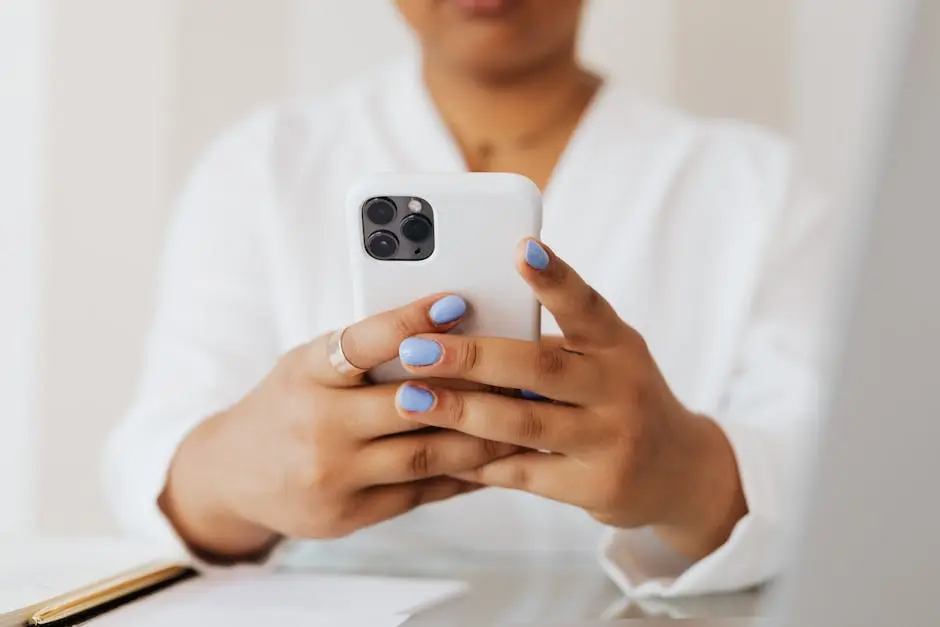
Touchscreen sensitivity refers to how responsive your device’s screen is when you touch it. Factors like the technology used in the screen and the materials of the protector play a significant role.
The most common touchscreens are capacitive, which rely on the electrical properties of our fingers. But what happens when you add a screen protector? Well, it could change the way your device registers your touch.
When choosing a screen protector, understanding how it interacts with your device is crucial. Some protectors may alter the touchscreen’s response due to their material or thickness.
Ultimately, the goal is to enhance your device’s usability without sacrificing the seamless interaction that touchscreen technology provides. Knowing more about sensitivity can help you make a better decision.
Types of Screen Protectors
There are various types of screen protectors, including tempered glass, plastic film, and privacy screens. Each type has its own impact on sensitivity, which we will delve into in more detail.
Tempered glass screen protectors are popular for their sturdiness and clarity. However, their added thickness might create a slight lag in sensitivity for some users.
On the other hand, plastic films tend to be much thinner and can offer a more accurate touch response, but they are less durable and more prone to scratches.
Privacy screens restrict viewing angles but may impact sensitivity more than other types. Before making a purchase, consider how each type aligns with your needs.
Thickness and Material Impact
The thickness and material of a screen protector can significantly affect how sensitive the touchscreen feels. Thicker protectors may dampen touch responsiveness, while ultra-thin options tend to maintain higher sensitivity.
For instance, a standard tempered glass protector generally measures around 0.33mm to 0.5mm thick. Users can notice a difference when compared to a 0.1mm plastic film. The trade-off between protection and sensitivity is very real.
Additionally, materials such as polycarbonate or PET (polyethylene terephthalate) can either enhance or hinder sensitivity based on their respective designs and textures.
It’s essential to test different options if possible. Feeling the difference during your everyday use can guide you to the best choice without sacrificing protection.
User Experience and Reviews
User reviews can provide valuable insights into how different screen protectors have affected touchscreen sensitivity for real users, helping you make a more informed choice.
Hearing from others who share similar devices and usage patterns can be incredibly beneficial. Look for reviews that specifically mention touch responsiveness after application.
Some users may report that their screens feel sluggish after applying a particular protector. Others might rave about the touchscreen feeling just as responsive as before, if not more so.
Make sure to weigh all feedback carefully. Personal preferences can vary greatly, so considering a wide range of experiences can help you narrow down your options.
Recommendations for Best Practice
To ensure minimal impact on touch sensitivity, it’s advisable to look for high-quality screen protectors specifically designed to maintain performance. Always check compatibility with your device model.
Researching brands known for their quality is a step in the right direction. Look for products that highlight features such as responsiveness in their descriptions.
Installing your protector correctly is equally important. Even the best products can suffer if not applied properly. Take your time to avoid air bubbles or misalignment.
Finally, remember that your personal usage experience matters the most. Don’t hesitate to switch between types if you’re not happy with your initial choice. Your satisfaction is key!
Final Thoughts on Screen Protectors and Touchscreen Sensitivity
In summary, while many screen protectors are designed to maintain or even enhance touchscreen sensitivity, it’s essential to choose the right type. Consider the material, thickness, and reviews before applying one to ensure optimal performance.